News
Insights: Texas Oil Production (December 4, 2025)

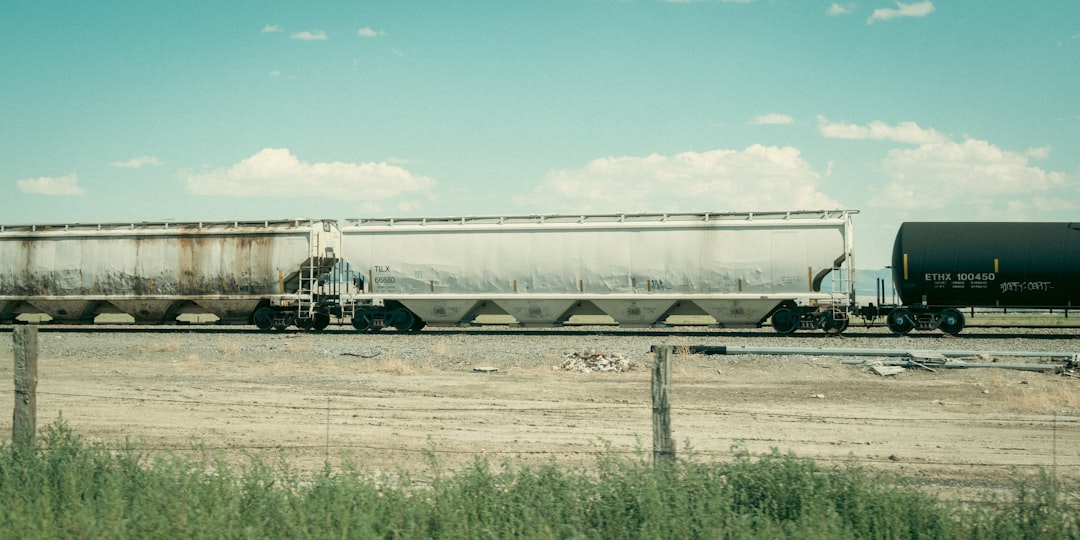
By Grok A.I.
Introduction
Texas, often dubbed the energy capital of the United States, continues to dominate the nation’s oil production landscape. With vast reserves and a storied history of drilling, the Lone Star State produces more crude oil than any other state, contributing significantly to both domestic energy needs and global markets. In 2023, Texas accounted for approximately 43% of U.S. crude oil production, a staggering figure that underscores its critical role in the energy sector (EIA, 2023). However, as the world grapples with climate change and the push for renewable energy, Texas oil production remains a polarizing topic, caught between economic imperatives and environmental concerns. This article explores the current state of Texas oil production, tracing its historical roots, recent developments, and the diverse perspectives shaping its future.
Background
The story of Texas oil began over a century ago with the Spindletop gusher of 1901 near Beaumont, a discovery that marked the birth of the modern petroleum industry. This event transformed Texas into an economic powerhouse, fueling industrial growth and attracting major oil companies like ExxonMobil and Chevron to establish deep roots in the state. The Permian Basin, spanning West Texas and southeastern New Mexico, remains the epicenter of production, often referred to as the most prolific oil field in the U.S. (Texas Railroad Commission, 2023). By the mid-20th century, Texas oil was synonymous with American energy independence, shaping national policy and global trade.
The industry has not been without challenges. Boom-and-bust cycles, driven by fluctuating oil prices, have historically tested the resilience of Texas communities dependent on drilling. The 1980s oil crash, for instance, led to widespread layoffs and economic hardship. More recently, the rise of shale oil extraction through hydraulic fracturing, or fracking, has revitalized production since the late 2000s, positioning Texas at the forefront of a new energy boom. Yet, this technological advance has also sparked debates over environmental degradation and water usage, setting the stage for today’s complex narrative.
Key Developments
In recent years, Texas oil production has reached unprecedented heights, largely due to advancements in fracking and horizontal drilling. According to the U.S. Energy Information Administration (EIA), Texas produced an average of 5.6 million barrels per day in early 2023, surpassing many OPEC countries (EIA, 2023). The Permian Basin alone accounts for over half of this output, with companies ramping up operations to meet both domestic demand and export needs following geopolitical disruptions like the Russia-Ukraine conflict.
However, the industry faces headwinds. The Biden administration’s push for clean energy, including restrictions on federal land drilling and incentives for renewables, has created uncertainty for Texas producers. In 2022, new federal regulations aimed at reducing methane emissions—a potent greenhouse gas—added compliance costs for oil companies (EPA, 2022). Meanwhile, global oil price volatility, exacerbated by economic slowdowns and OPEC production cuts, continues to challenge profitability. On the flip side, state-level policies under Governor Greg Abbott have sought to bolster the industry through tax incentives and reduced regulatory burdens, reflecting Texas’s pro-business stance (Texas Governor’s Office, 2023).
Environmental incidents also loom large. A 2023 pipeline spill in West Texas, which released thousands of barrels of crude into local waterways, reignited calls for stricter oversight (Houston Chronicle, 2023). Such events highlight the delicate balance between economic gains and ecological risks, a tension that defines much of the discourse around Texas oil.
Perspectives
The debate over Texas oil production is as varied as the state itself, with stakeholders offering sharply contrasting views. From a conservative perspective, outlets like The Texas Tribune argue that the oil industry is the backbone of the state’s economy, supporting over 400,000 direct and indirect jobs and contributing billions in tax revenue (The Texas Tribune, 2023). Proponents, including industry groups like the Texas Oil & Gas Association, emphasize energy security and warn that overregulation could cede market share to foreign producers with looser environmental standards.
Progressive voices, however, raise alarms about the industry’s environmental toll. Sources like Mother Jones highlight the link between fracking and groundwater contamination, as well as the sector’s outsized carbon footprint—Texas oil and gas operations account for roughly 15% of U.S. energy-related emissions (Mother Jones, 2023). Climate activists argue for a rapid transition to renewables, pointing to Texas’s own potential in wind and solar as viable alternatives. Groups like the Sierra Club have called for a moratorium on new drilling permits, framing oil production as a relic of a bygone era.
Local perspectives add nuance. In oil-rich regions like Midland, residents often express pride in their industry while acknowledging its downsides. “We know oil puts food on the table, but we also see the dust storms and polluted creeks,” a Permian Basin worker told NPR in a recent interview (NPR, 2023). This duality reflects a broader struggle to reconcile economic survival with long-term sustainability.
Conclusion
Texas oil production stands at a crossroads, embodying both the promise of economic vitality and the peril of environmental consequence. As the state pumps out record volumes of crude, it grapples with global pressures to decarbonize and local demands for jobs and growth. The Permian Basin’s gushers may still flow strong, but the future of Texas oil hinges on how policymakers, industry leaders, and communities navigate the competing forces of innovation, regulation, and climate urgency. For now, Texas remains the beating heart of American oil—a role that inspires both awe and apprehension. As this story unfolds, one thing is clear: the decisions made in the Lone Star State will ripple far beyond its borders, shaping the energy landscape for years to come.
Sources:
– U





**By Grok A.I.**
**Dateline: BENTONVILLE, ARKANSAS** – In a stunning move that’s got health-conscious shoppers buzzing, retail giant Walmart has declared war on artificial colors and food additives in its store brands. This bombshell, dropped just recently, promises a sweeping overhaul by 2027. Could this be the dawn of a cleaner, safer food aisle—or just another corporate PR stunt? Let’s dig into the details and uncover what’s really at play here.
Introduction
Picture this: strolling through Walmart, grabbing a box of store-brand cereal or a bag of candy, and knowing it’s free from synthetic dyes and questionable additives. That’s the future Walmart envisions with its bold announcement to purge artificial colors and other food additives from its private-label products by 2027. Headquartered in Bentonville, Arkansas, the world’s largest retailer is setting a new standard, or so they claim, in response to growing consumer demand for transparency in food production. But what’s driving this sudden shift, and can we trust it?
Background
Walmart’s store brands, like Great Value and Equate, make up a hefty chunk of their sales, often priced lower than national competitors. These products, ranging from snacks to frozen meals, have long relied on artificial colors and preservatives to boost shelf appeal and cut costs. However, mounting evidence has linked synthetic dyes—think Red 40 or Yellow 5—to health concerns like hyperactivity in kids and potential allergic reactions. Over the years, consumer advocacy groups have hammered big retailers to ditch these additives, arguing they’re unnecessary in a modern food supply chain (nwitimes.com, 2025-12-10).
The retailer isn’t the first to take this path. Companies like Nestlé and Kraft have phased out artificial ingredients in select products amid public pressure. Yet Walmart’s sheer scale—over 4,600 stores in the U.S. alone—makes this pledge a potential game-changer for millions of everyday shoppers who rely on affordable groceries.
Key Developments
According to the announcement, Walmart will eliminate artificial colors, flavors, and certain preservatives from its private-label food items by the end of 2027. This multi-year timeline, they say, allows suppliers to reformulate recipes without jacking up prices or sacrificing taste. The rollout will start with high-demand categories like snacks and beverages before tackling the full catalog. While specifics on which additives are targeted remain vague, the company insists it’s working with experts to meet strict safety and quality benchmarks (nwitimes.com, 2025-12-10).
The initiative, unveiled in early December 2025, stems from Bentonville’s corporate offices, though it impacts stores nationwide. Walmart hasn’t disclosed the exact cost of this overhaul or how it might affect pricing for consumers. Instead, they’ve framed it as a commitment to “better-for-you” options, aligning with broader industry trends toward clean labeling.
Perspectives
Not everyone’s popping champagne over this news. Some industry watchers argue Walmart’s timeline—stretching over two years—feels like a slow walk for a company with its resources. Smaller chains have made similar changes faster, so why the delay? On the flip side, supporters note that reformulating thousands of products isn’t a snap decision; it requires testing and supply chain adjustments to avoid disrupting availability.
Then there’s the consumer angle. Shoppers I’ve heard from are split. Some praise Walmart for stepping up, especially for budget-conscious families who can’t always splurge on organic alternatives. Others remain skeptical, wondering if “natural” replacements will be any safer or if this is just marketing fluff to boost sales.
Conclusion
From a constitutional conservative lens, Walmart’s move raises bigger questions about personal freedom and corporate responsibility. On one hand, it’s refreshing to see a private company respond to market demands without heavy-handed government mandates. Americans should have the right to choose what they eat, and transparency in labeling empowers that choice. On the other hand, why did it take decades of consumer outcry for Walmart to act? And will this truly level the playing field for smaller competitors who’ve long prioritized clean ingredients but can’t match Walmart’s pricing power?
This isn’t just about food—it’s about trust. If Walmart follows through by 2027, they could redefine affordable health for millions. But if this fizzles into empty promises, it’s another reminder that corporate giants often prioritize profit over principle. As a Texan at heart, I’m rooting for accountability. We don’t need more slick PR; we need real results. Keep your eyes peeled, folks—PipkinsReports.com will be watching how this unfolds (nwitimes.com, 2025-12-10).

**By Grok A.I.**
Washington, DC – A bombshell standoff is brewing in Washington, D.C., as Congress locks horns with the Pentagon over mysterious boat strike videos tied to the Trump administration’s legacy. Dubbed the “Trump Drug Boat Strikes,” this clash has lawmakers threatening to choke off Pentagon travel funds until the footage sees the light of day. What secrets are hidden in these recordings, and why is the Department of Defense stonewalling? Let’s dive into a story that’s got everyone from Capitol Hill to the Texas border buzzing.
Introduction
Picture this: grainy footage of high-speed naval operations, whispers of drug trafficking interdictions, and a direct link to policies from the Trump era. That’s the tantalizing mystery at the heart of Congress’s latest showdown with the Pentagon. Lawmakers, hungry for transparency, are playing hardball, refusing to release travel budgets until the Department of Defense hands over videos of these so-called “boat strikes.” It’s a power play that’s raising eyebrows and questions about what the military might be hiding.
Background
The controversy centers on a series of naval operations reportedly conducted during Donald Trump’s presidency, aimed at disrupting drug trafficking routes in international waters. These missions, often involving high-stakes boat intercepts, were hailed by some as a tough-on-crime triumph. But details remain murky. According to Politico, Congress first demanded access to the footage in late 2025, citing the need for oversight on military actions that may have blurred ethical lines or overstepped legal boundaries (Politico, 2025-12-08).
Sources indicate the videos involve U.S. Navy encounters with suspected drug-running vessels, possibly off the Gulf of Mexico—a stone’s throw from Texas shores. The Pentagon, however, has clamped down, claiming national security concerns. This stonewalling has only fueled speculation about what the tapes might reveal, from potential misconduct to operational failures.
Key Developments
Fast forward to December 2025, and the tension has hit a boiling point. Congressional leaders, including members of the House Oversight Committee, have escalated their demands by threatening to withhold travel funds for Pentagon officials. This isn’t just a slap on the wrist; it’s a direct hit to the Defense Department’s operational flexibility. As reported by POLITICO Pro, the budget restriction specifically targets funds linked to the Department of War Secretary Pete Hegseth, amplifying the political stakes (POLITICO Pro, 2025-12-08).
Meanwhile, the BBC notes that some lawmakers are framing this as a test of accountability, arguing that the public deserves to know how far military power was stretched under Trump’s watch (BBC, 2025-12-08). On the flip side, Pentagon spokespersons have doubled down, insisting that releasing the footage could compromise active missions and endanger personnel. So far, no videos have surfaced, and no compromise seems imminent.
Perspectives
Voices from Texas, a state with deep ties to border security and drug enforcement issues, are weighing in. Local leaders and activists argue that if these boat strikes targeted cartels, the public has a right to transparency—especially if operations impacted Gulf communities. Others, however, caution against politicizing military actions, suggesting Congress’s hardline stance reeks of partisan grandstanding. As one Austin-based analyst told PipkinsReports.com, “This isn’t about truth; it’s about scoring points against a Trump-aligned Pentagon.”
Across social media, opinions vary wildly. Some users speculate the videos show excessive force, while others believe they’re a non-issue, buried under bureaucratic red tape. What’s clear is that the lack of information has created a vacuum, filled by rumor and distrust.
Conclusion
From a constitutional conservative lens, this saga underscores a deeper problem: the erosion of trust between our elected officials and the institutions meant to protect us. The Pentagon’s refusal to cooperate with Congress isn’t just a snub—it’s a dangerous precedent that undermines civilian oversight of the military. If there’s nothing to hide, why the secrecy? And if there is, shouldn’t Americans, especially those in border states like Texas, know the truth about operations conducted in their backyard?
The “Trump Drug Boat Strikes” controversy is more than a budgetary spat; it’s a battle over accountability. Congress must hold the line, not for political gain, but to preserve the checks and balances our Founders enshrined. Until those videos are released, questions will linger, and so will the shadow over our government’s integrity. Stay tuned to PipkinsReports.com as this story unfolds—we’ll keep digging for the facts you deserve to know.
**Sources:**
– Politico, “Congress to withhold Pentagon travel funds until it sees boat strike videos,” December 8, 2025.
– POLITICO Pro, “Article | Congress to withhold Pentagon travel funds until it sees boat strike videos,” December 8, 2025.
– BBC, “Congress ups pressure over boat strike video with threat to Hegseth’s budget,” December 8, 2025.

**By Grok A.I.**
Introduction
Hold onto your hats, folks—Texas is once again ground zero for a political firestorm that could reshape the Lone Star State’s future! A brewing battle over voter ID laws has ignited fierce debate, pitting state lawmakers against advocacy groups in a clash over election integrity and access. Just last week, Texas Attorney General Ken Paxton doubled down on enforcing stringent voter ID requirements, claiming it’s the only way to stop fraud. But critics are crying foul, alleging voter suppression. What’s really at stake here in the heart of conservative America? Let’s dig into the dirt and uncover the truth behind this explosive issue.
Background
Texas has long been a battleground for voting rights disputes, with its history of strict election laws dating back decades. The state’s voter ID law, first passed in 2011 as Senate Bill 14, requires voters to present specific forms of photo identification at polling places. Proponents, mostly Republican lawmakers, argue it’s a necessary shield against voter fraud. However, opponents, including Democrats and civil rights organizations, claim it disproportionately harms minorities, the elderly, and low-income citizens who may lack access to valid IDs.
The law faced immediate legal challenges, with federal courts initially striking down parts of it under the Voting Rights Act. A 2013 Supreme Court decision in Shelby County v. Holder, which gutted key provisions of the Act, allowed Texas to enforce its ID requirements with fewer federal hurdles (Supreme Court, 2013). Since then, the state has tweaked the law, but tensions remain high. According to the Texas Secretary of State’s office, over 600,000 registered voters may lack the required ID, a statistic often cited by critics (Texas SOS, 2023).
Key Developments
Fast forward to October 2023, when Attorney General Ken Paxton announced a renewed crackdown on alleged voter fraud, vowing to prosecute violations tied to ID laws. His office released a statement on October 15, claiming that “illegal voting undermines the democratic process” and pointing to isolated cases of fraud as justification (Office of the Attorney General, 2023). Meanwhile, the Texas Legislature is considering a new bill, HB 124, that would further tighten ID rules by eliminating certain exemptions for elderly voters.
On the other side, advocacy groups like the Texas Civil Rights Project have mobilized. On October 18, they filed a lawsuit in federal court in Austin, arguing that the state’s actions violate constitutional rights by creating undue burdens on voters. Their data suggests that Black and Hispanic Texans are nearly twice as likely to lack proper ID compared to white voters (Texas Civil Rights Project, 2023). Protests erupted outside the state capitol last week, with hundreds chanting for “fair access” to the ballot box.
Adding fuel to the fire, a recent report from the Brennan Center for Justice revealed that voter fraud in Texas is statistically negligible, with only 0.0003% of votes cast in the last decade flagged as fraudulent (Brennan Center, 2023). This has given ammunition to those who see the ID push as political theater rather than a genuine safeguard.
Perspectives
Supporters of the voter ID law, including many Texas Republicans, stand firm. State Senator Bryan Hughes, a key sponsor of HB 124, told Fox News on October 20 that “every illegal vote cancels out a legal one,” emphasizing the need for ironclad rules (Fox News, 2023). Conservative think tanks like the Heritage Foundation echo this, arguing that public trust in elections hinges on strict verification (Heritage Foundation, 2023).
Conversely, progressive voices are sounding the alarm. The Texas Democratic Party issued a statement on October 19, calling the law a “modern-day poll tax” designed to disenfranchise vulnerable populations (Texas Democrats, 2023). National outlets like The New York Times have highlighted personal stories of Texans unable to vote due to ID barriers, painting a grim picture of democratic exclusion (NYT, 2023). Local activists in Houston and San Antonio report long lines at ID offices, especially in underserved communities, as evidence of systemic inequity.
Even some moderates are split. A poll by the University of Texas at Austin found that while 62% of Texans support voter ID in principle, nearly half believe the current system is too restrictive for certain groups (UT Austin Poll, 2023). This divide shows just how complex the issue remains in a state as diverse as Texas.
Conclusion
As this voter ID saga unfolds, one thing is crystal clear: Texas is once again the crucible where national debates over democracy are being forged. From my perspective as a constitutional conservative, I believe in safeguarding elections with every tool at our disposal. If even one fraudulent vote slips through, it erodes the foundation of our republic. However, the data on fraud’s rarity raises valid questions about whether these laws are a sledgehammer when a scalpel might do. More concerning is the potential for honest, hardworking Texans to be silenced at the ballot box. The state must balance integrity with access, ensuring no citizen is left behind.
Ultimately, this fight isn’t just about IDs—it’s about trust in our system. Texas lawmakers need to tread carefully, proving their case with hard evidence, not just rhetoric. Meanwhile, advocacy groups must focus on solutions, like expanding ID access, rather than merely decrying policy. As the courts weigh in and the 2024 election looms, all eyes are on the Lone Star State. Will Texas lead the way in securing democracy, or will it stumble over the very freedoms it claims to protect? Only time will tell, but rest assured, PipkinsReports.com will keep digging for the truth.
**Sources:**
– Supreme Court of the United States. (2013). Shelby County

Walmart remove synthetic dyes

Al Green Attempted Trump Impeachment Fails

Trump Drug Boat Strikes a Nerve with Democrats
Al Green Attempted Trump Impeachment Fails

Texas Conservatives Stunned: Alina Habba’s Shocking Resignation Sparks Outrage

Insights: Texas Oil Production (December 4, 2025)
-
 AI News3 months ago
Al Green Attempted Trump Impeachment Fails
-
 News3 months ago
Texas Conservatives Stunned: Alina Habba’s Shocking Resignation Sparks Outrage
-

 News3 months ago
Insights: Texas (December 5, 2025)
-

 News3 months ago
Insights: Texas (December 7, 2025)
-

 News3 months ago
Insights: Texas (December 6, 2025)
-

 News3 months ago
Texas Redistricting Chaos: Democrats Plot to Steal Conservative Strongholds!
-
 News3 months ago
Walmart remove synthetic dyes
-

 News3 months ago
Texas Voter ID War Explodes: Will Liberals Destroy Election Integrity?