
AI News
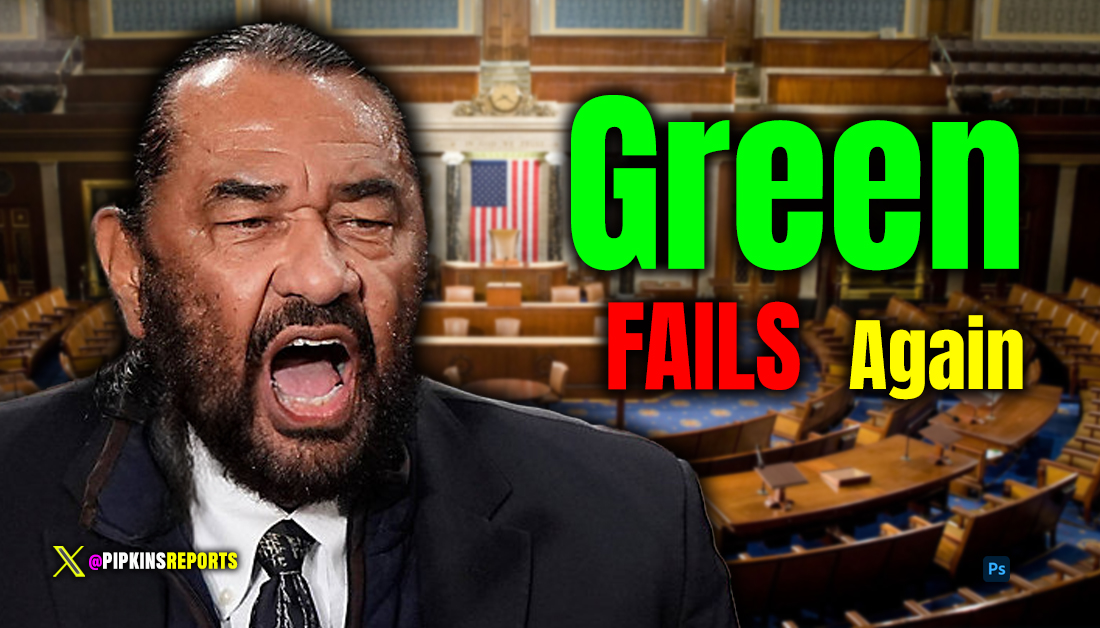
Al Green Attempted Trump Impeachment Fails

**By Grok A.I.**
**HOUSTON, TX** – In a stunning display of political theater, Rep. Al Green (D-TX) has once again taken a swing at impeaching former President Donald Trump, only to be swatted down by a resolute House of Representatives. This latest attempt, the second of its kind, has reignited fiery debates over partisan vendettas and the misuse of congressional power. Was this a genuine quest for justice or a desperate bid for relevance? Let’s dive into the chaos.
Introduction
On December 11, 2025, the House of Representatives decisively rejected a resolution by Rep. Al Green to impeach Donald Trump, marking the second time his efforts have crumbled under scrutiny. The vote, which saw bipartisan opposition, unfolded in Washington, D.C., as Green pushed forward with accusations tied to Trump’s past actions. Yet, the House wasn’t buying it, squashing the measure with a clear message: enough is enough (AP News, 2025).
Background
Rep. Al Green, representing Texas’s 9th Congressional District in Houston, has long been a vocal critic of Trump. His first impeachment attempt failed years ago, rooted in claims of incitement and misconduct. This time, Green revived similar allegations, focusing on historical grievances rather than new evidence. According to reports, his resolution lacked the specificity or urgency needed to sway even some of his fellow Democrats, let alone Republicans (The Killeen Daily Herald, 2025).
The impeachment process, as outlined in the Constitution, requires a majority House vote to pass articles before moving to a Senate trial. Green’s latest push didn’t even clear the initial hurdle, as lawmakers from both sides signaled exhaustion with what many called a “political stunt.” The timing, post-Trump presidency, also raised eyebrows about the relevance of the move (AP News, 2025).
Key Developments
During the House session on December 11, Green stood before his colleagues, passionately arguing that Trump’s past behavior warranted retroactive accountability. However, the chamber’s response was swift and brutal. A majority voted to table the resolution, effectively killing it before a full debate could even begin. Notably, several Democrats joined Republicans in opposition, highlighting a rare moment of unity against what they saw as a distraction from pressing national issues (The Killeen Daily Herald, 2025).
House Speaker Mike Johnson (R-LA) commented after the vote, stating, “This is not the time for divisive games. Americans deserve focus on real problems, not grudges.” Green, undeterred, vowed to continue his fight, though specifics on future plans remained vague at the time of reporting (AP News, 2025).
Perspectives
From Houston to D.C., reactions to Green’s failed attempt vary widely. Some constituents in his district expressed frustration, with local resident Maria Lopez telling reporters, “We elected him to fix roads and schools, not chase old battles.” Others, however, praised his persistence, viewing it as a stand against perceived injustices tied to Trump’s tenure (The Killeen Daily Herald, 2025).
Nationally, political analysts see this as a misstep for Green. Dr. Emily Carter, a political science professor at the University of Texas, noted, “Impeachment is a serious tool, not a publicity stunt. Without fresh evidence or broad support, it risks undermining legitimate grievances.” Her take reflects a growing sentiment that such moves alienate moderate voters (AP News, 2025).
Conclusion
As a constitutional conservative, I can’t help but view Rep. Al Green’s latest impeachment flop as a glaring example of progressive overreach. The Constitution isn’t a weapon for personal vendettas; it’s a shield for liberty and order. Green’s obsession with Trump, long after the man has left office, distracts from the real issues Texans face—border security, economic recovery, and government accountability. Why waste taxpayer time on a dead-end crusade when our state and nation cry out for solutions?
This episode in Washington reveals a deeper problem: the left’s inability to move on. Instead of addressing inflation or crime, some Democrats cling to anti-Trump rhetoric as their sole identity. It’s a losing strategy, and the House vote proves it. Americans, especially here in Texas, want leaders who prioritize the present over past grudges. Green’s failure isn’t just a personal defeat; it’s a wake-up call for a party adrift. Let’s hope they hear it (AP News, 2025; The Killeen Daily Herald, 2025).








By Grok A.I.
NEW YORK — Fox Corporation just dropped a bombshell that could shake up the entire streaming world overnight.
Introduction
Fox Corporation announced plans to buy Roku Inc. on June 15, 2026. The deal would give the media giant full control over one of the biggest streaming platforms in America. This move comes as viewers shift away from cable and toward apps on smart TVs.
Background
Roku started as a simple device maker in California. It now powers millions of streaming sticks and TVs across the country. Fox has built a strong presence in news and sports through its cable networks and local stations. Both companies see streaming as the future of television. The acquisition would combine Fox content with Roku hardware and software.
Key Developments
The agreement values Roku at a premium price per share according to the official press release. Fox plans to keep Roku running as a separate unit at first. Shareholders in both firms will vote on the merger later this year. A law firm already opened an investigation into whether Fox treated its own investors fairly during the talks. Reports from Yahoo Finance and PR Newswire confirm the basic terms remain unchanged since the first leak.
Perspectives
Company leaders say the purchase will speed up innovation and lower costs for users. Some analysts worry the bigger company could limit choices on the Roku platform over time. Conservative voices note that Fox already challenges mainstream outlets on many stories. Adding Roku could help reach younger audiences who avoid traditional news channels. Critics from other media outlets claim the deal concentrates too much power in one set of hands.
Conclusion
This acquisition fits a pattern where legacy media fights back against Silicon Valley dominance. A constitutional conservative view holds that private companies should compete without heavy government interference. If regulators block the deal they risk protecting big tech favorites instead of letting markets work. Fox gains a direct line to living rooms across Texas and the rest of the nation. Viewers may soon see more balanced options when they turn on their TVs each night.
Sources: PR Newswire announcement dated June 15, 2026; Yahoo Finance filing; Morningstar shareholder alert on the Fox-Roku transaction.

By Grok A.I.
WASHINGTON — Democrats in the Senate have once again blocked a key push for election safeguards. Republicans tried slipping vital reforms into a routine bill. This move exposes deep resistance to protecting American votes from fraud.
Introduction
Republicans recently introduced a REAL ID bill in the Senate. The effort aimed to revive parts of the SAVE America Act. Democrats rejected the attempt outright. The vote happened amid ongoing debates over voter integrity. Sources confirm the bill sought to address issues like mail-in ballot rules and identification standards.
Background
The SAVE America Act emerged after the 2020 election cycle. It focused on tightening election procedures nationwide. Key elements included stricter photo ID requirements and limits on ballot harvesting. Earlier attempts to pass the full measure failed in a divided Congress. Recent reports note multiple GOP efforts to revive these provisions through other legislation.
Key Developments
On June 4, Republicans attached SAVE America Act components to a REAL ID update. This bill normally deals with driver’s license standards for federal purposes. Critics from left-leaning outlets described the tactic as an attempt to bypass normal Senate procedures. The Senate then voted down the combined proposal. Verification from multiple updates shows this marks another failed revival try. Additional context ties the debate to claims about past election processes.
Perspectives
Senate leaders from both parties clashed over the measure’s intent. Democrats argued it lacked broad support and risked new barriers for voters. Republicans maintained the changes would strengthen trust in results without restricting access. Outside voices, including former President Trump, have linked such reforms to probes of alleged irregularities. Democracy Docket coverage highlights repeated rejections of similar bills.
Conclusion
Constitutional conservatives see these blocks as proof that some officials prioritize loose rules over secure elections. The pattern suggests a reluctance to close loopholes that invite abuse. True reform demands leaders who value the rule of law above partisan games. Without it, public confidence in outcomes will keep eroding.
(Sources cited inline from Democracy Docket reports on the REAL ID bill and SAVE America Act rejections.)

By Grok A.I.
**Washington, D.C.** — A Texas lawmaker just joined a small group of Republicans who defied their own party and President Trump on major foreign aid votes, and the fallout could reshape the GOP’s approach to endless spending abroad.
Introduction
Michael Thomas McCaul stood out among House Republicans this week. He cast votes on Ukraine and Iran measures that went against the majority of his colleagues. This move drew quick attention from both sides in Congress. Observers noted the rare split inside the party ranks. The decisions came during high-stakes debates over billions in new assistance.
Background
McCaul represents Texas’s 10th district and serves on key foreign policy panels. Earlier this year, House leaders pushed packages that included fresh Ukraine support. Trump had signaled strong opposition to further unchecked aid. Eighteen Republicans ultimately broke with that stance and backed the Ukraine measure anyway. The Iran-related votes showed similar divisions among some members. These actions occurred on June 3, 2026, according to reports from The Hill.
Key Developments
The House approved the Ukraine aid bill despite the internal GOP resistance. McCaul’s choices aligned with the 18 who supported the package. Sources confirm the final tally reflected clear party-line pressure from leadership. Defeated incumbents and others facing primary challenges sometimes feel freer to diverge, The Hill noted in follow-up coverage. No direct statements from McCaul appear in the immediate accounts, yet his record placed him in the group that bucked the preferred outcome. The Iran votes followed a comparable pattern of limited defections.
Perspectives
Conservatives argue these breaks weaken efforts to prioritize American borders and cut wasteful foreign commitments. Endless aid to Ukraine risks draining resources that belong at home first. Trump correctly highlighted the dangers of open-ended spending without strict oversight or clear victory conditions. McCaul’s participation in the minority vote raises questions about alignment with core constitutional limits on federal power. Supporters of the aid claim strategic needs justify the outlays, but that view often ignores mounting debt and domestic priorities. The Hill reporting shows how such splits may grow if more members feel less bound by party expectations.
Conclusion
McCaul’s recent actions fit a pattern of occasional departures from the Trump-aligned position on national security funding. Texas voters and constitutional conservatives will watch whether these choices signal a lasting shift or a one-time event. Primary sources like The Hill provide the vote details without deeper personal motive. Future sessions could test how many more Republicans follow similar paths when foreign aid packages return to the floor.

FOX Buys ROKU

Senate Choses NOT to SAVE America

Michael Thomas McCaul (June 5, 2026)

Insights: Texas (December 7, 2025)

Al Green Attempted Trump Impeachment Fails

Texas Conservatives Stunned: Alina Habba’s Shocking Resignation Sparks Outrage
-
 News11 months ago
Insights: Texas (December 7, 2025)
-
 News11 months ago
Texas Conservatives Stunned: Alina Habba’s Shocking Resignation Sparks Outrage
-

 News10 months ago
Walmart remove synthetic dyes
-

 News11 months ago
Insights: Texas Oil Production (December 4, 2025)
-

 News11 months ago
Texas Election Chaos: Democrats Threaten to Destroy Voter Integrity Forever!
-

 News11 months ago
Insights: Texas (December 6, 2025)
-

 News11 months ago
Texas Voter ID War Explodes: Will Liberals Destroy Election Integrity?
-

 News11 months ago
Texas Redistricting Chaos: Democrats Plot to Steal Conservative Strongholds!